
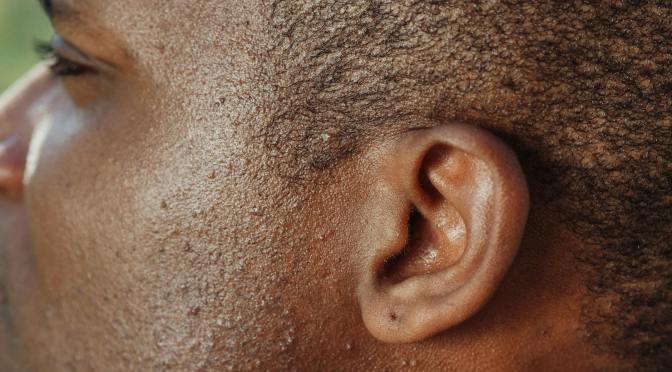
Before I got hearing aids, I did what most people who have a hearing loss do. I tried to make the most of what I thought I heard. It can be funny, because we sometimes think others are saying things that don’t make any sense, and then because we haven’t heard, our response may be nonsense. Sometimes I said, “I’m sorry, I didn’t hear you,” or “Sorry, I didn’t understand what you said.” But most of us get tired of saying that all the time, so we just try to make sense of what we hear, even if the other person said “bread,” and we think she said “red,” or “dread” or “Fred.”
This has a spiritual application. We wonder why people in our religious world seem not able to understand what we know are simple and easy to understand scriptures. How can they read Acts 2:38 and believe that baptism is unnecessary? How can they read the Lord’s prayer for unity in John 17 and believe God approves of denominationalism? The problem is that because of their upbringing and training (or lack thereof), they just don’t hear what the scripture says. They are trying to make sense of it as it fits with their beliefs and preconceptions. It is unfortunately too rare that people will look at the scriptures with a truly open and receptive mind.
This is one reason that I like the account of the conversion of the Ethiopian eunuch so much. “Philip ran thither to him, and heard him read the prophet Esaias, and said, Understandest thou what thou readest? And he said, How can I, except some man should guide me? And he desired Philip that he would come up and sit with him” (Acts 8:30–31). Not “hearing” what Isaiah 53 said, he asked, “I pray thee, of whom speaketh the prophet this? of himself, or of some other man?” As Philip “preached unto him Jesus” (Acts 8:34-35). As we preach Jesus, we need to see ourselves as hearing aids to people who really want to understand, but just “can’t hear.” Whether they are “in denial” about their hearing loss, or whether they know of their loss, we must help them hear. The power is in the Word.
 THE BIBLE MESSENGER